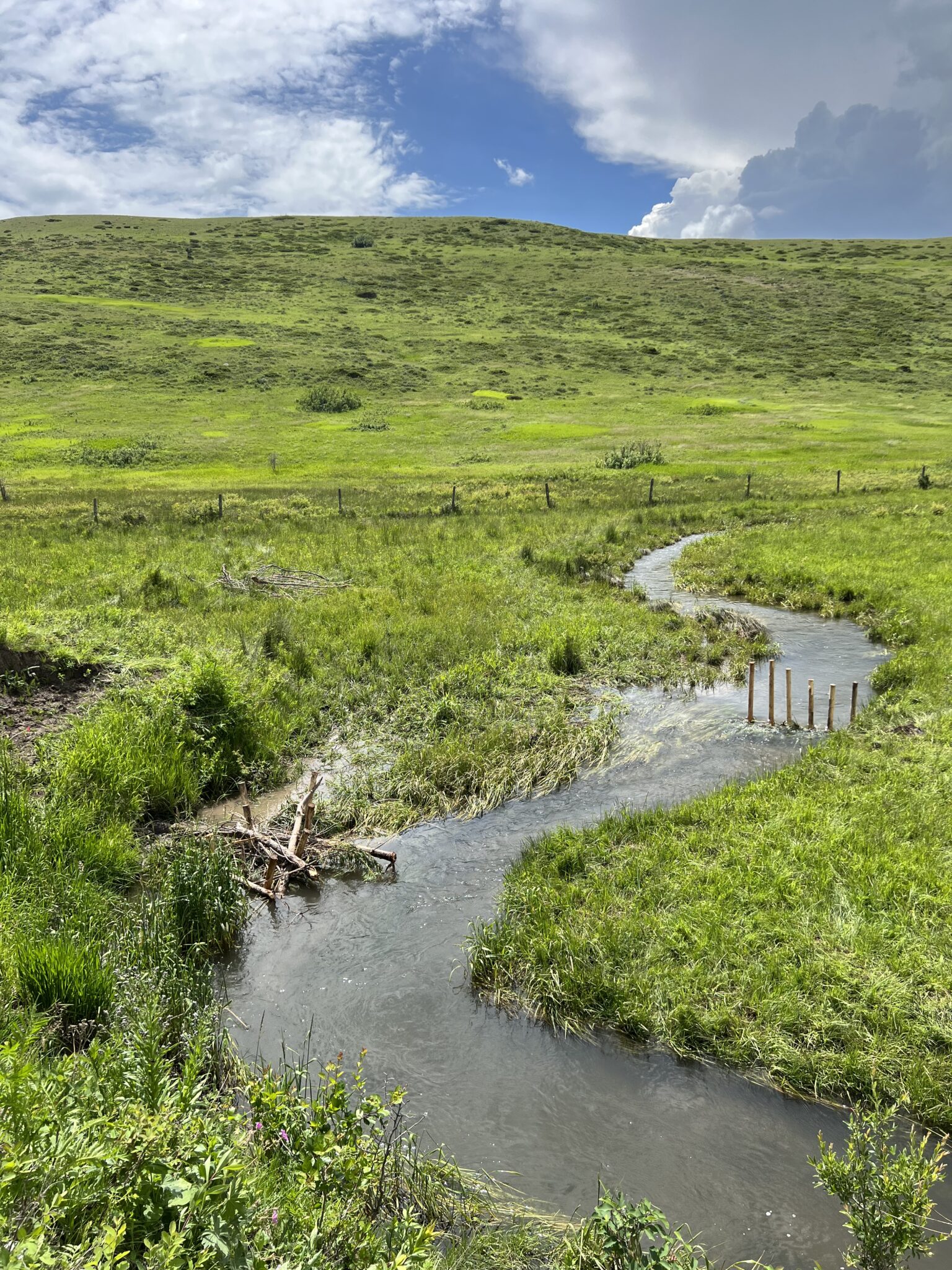
What is the 310 Law?
Montana’s Natural Streambed and Land Preservation Act of 1975, commonly known as the 310 Law, protects the state’s streams and rivers by requiring Conservation District review of projects that alter a streambed or stream bank.
For nearly 50 years, the law has worked effectively because it prioritizes:
-
Local decision-making
-
Collaboration with landowners
-
Practical solutions that protect streams while allowing responsible land use
However, the civil penalty provisions have not kept pace with inflation or modern development, reducing their effectiveness as a compliance incentive.
Why 310 Matters
Montana’s streams and rivers support many of the state’s most important resources and industries.
Healthy waterways help sustain:
-
Agriculture and irrigation infrastructure
-
Fish and wildlife habitat
-
Water quality and aquatic ecosystems
-
Property protection from erosion and flooding
-
Outdoor recreation and tourism
Protecting stream stability today helps ensure these benefits remain available for future generations.
The Current Challenge

The existing civil penalty structure was established in 1975 and has changed very little since then.
As a result:
-
Penalty limits are outdated after nearly five decades
-
Restoration costs have increased significantly
-
Financial penalties may no longer reflect the true cost of stream damage
Conservation Districts rely primarily on voluntary compliance and cooperation with landowners. In most situations this approach works well.
However, districts need effective enforcement tools when cooperation fails. In rare cases, violations may be treated as simply a cost of doing business rather than an incentive to comply with the law.
Proposed Updates to Civil Penalties

A modernized approach would calculate penalties based on the actual impact of the violation, creating a fair and transparent system.
Extent of Impact × Severity of Impact × Duration of Violation
This structure allows penalties to better reflect the scale and consequences of the disturbance.
Degree of damage to the stream system, including:
-
Erosion risk
-
Flooding potential
-
Channel stability
-
Water quality
-
Aquatic habitat
-
Measured by the amount of stream disturbance
-
Linear, square, or cubic feet
The number of days the violation remains unresolved
Incentives for Cooperation

The goal of the 310 Law remains voluntary compliance and restoration, not punishment.
Proposed updates would encourage landowners to address issues quickly through clear incentives:
-
Warnings and voluntary compliance encouraged first
-
50% penalty reduction when corrective action begins
-
100% penalty reduction once restoration is completed
This approach rewards cooperation while still providing districts with meaningful enforcement tools when necessary.
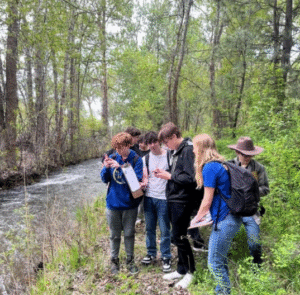
Protecting Montana’s streams is a shared responsibility. Updating the civil penalty provisions of the Natural Streambed and Land Preservation Act (310 Law) helps ensure Conservation Districts have effective, transparent tools to encourage compliance and restore damaged waterways.
You can support healthy streams and strong local conservation efforts by:
Understanding how the law protects Montana’s waterways helps landowners, contractors, and communities make informed decisions when working near streams.
Learn More:
Conservation Districts provide guidance, project review, and technical assistance to help landowners complete projects responsibly while protecting stream health.
Learn more about your local conservation agencies and partners at The Montana Conservation Menu.
Participate in conservation programs, restoration projects, or community discussions that help maintain healthy rivers and streams across Montana.
Follow updates related to Montana’s stream protection laws and how proposed changes may support stronger restoration and compliance tools.